The Red Meat and Colon Cancer Debate Continues
-
Table of Contents
- Red Meat and Colon Cancer Debate: Unpacking the Evidence
- The Case Against Red Meat: Epidemiological Findings
- Counterarguments and Nuances in Research
- Potential Mechanisms Behind the Association
- Case Studies and Population Research
- Global Dietary Recommendations
- Conclusion: Weighing the Evidence
- ETChem’s Protein Products: A Healthier Alternative?
Red Meat and Colon Cancer Debate: Unpacking the Evidence
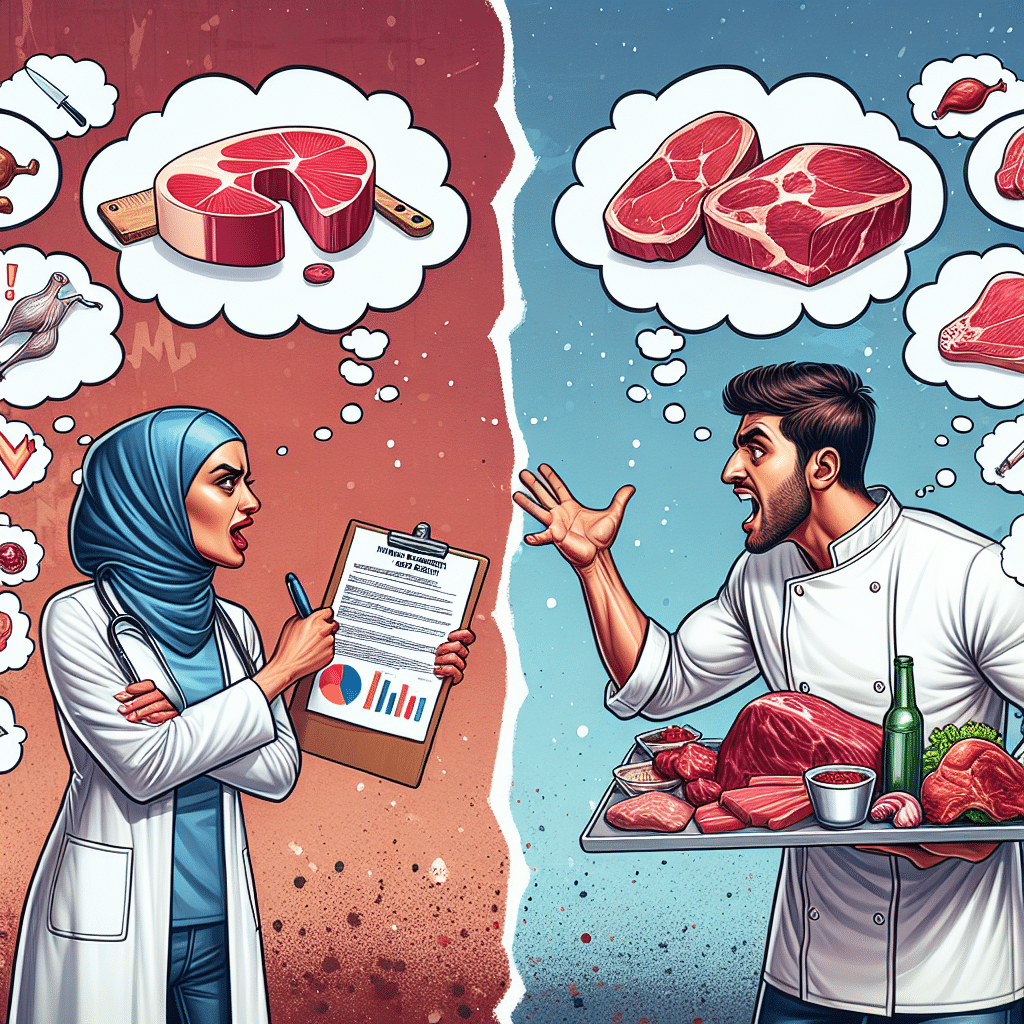
The relationship between red meat consumption and colon cancer has been a topic of intense debate and research for many years. With various studies yielding conflicting results, the public is often left with more questions than answers. This article aims to delve into the current state of knowledge on this contentious issue, examining the evidence from both sides of the debate and exploring the potential mechanisms behind the association.
The Case Against Red Meat: Epidemiological Findings
Epidemiological studies have been at the forefront of suggesting a link between red meat consumption and an increased risk of colon cancer. The International Agency for Research on Cancer (IARC), which is part of the World Health Organization (WHO), classified processed meat as a Group 1 carcinogen (known to cause cancer) and red meat as a Group 2A carcinogen (probably carcinogenic to humans) in 2015. This classification was based on evidence from numerous studies indicating that higher consumption of red meat, particularly processed meats like sausages and bacon, is associated with a greater risk of developing colon cancer.
- One large-scale meta-analysis found that each 100g increase in daily red meat intake was associated with a 17% increased risk of colon cancer.
- Another study suggested that the risk could be as high as 36% for those who consume the highest amounts of red meat compared to those who consume the least.
Counterarguments and Nuances in Research
Despite the alarming statistics, not all research points to a direct causative relationship between red meat and colon cancer. Some scientists argue that the increased risk is modest and that other factors, such as genetics, lifestyle, and overall diet quality, play a more significant role in cancer development.
- Several studies have failed to find a significant association when adjusting for confounding factors like smoking, alcohol consumption, and lack of physical activity.
- Some research suggests that the method of cooking red meat, rather than the meat itself, may contribute to the increased risk due to the formation of carcinogenic compounds at high temperatures.
Potential Mechanisms Behind the Association
Understanding why red meat might be linked to colon cancer is crucial for interpreting the debate. Several mechanisms have been proposed to explain the potential relationship:
- Heme Iron: Red meat is rich in heme iron, which can catalyze the formation of carcinogenic N-nitroso compounds in the gut.
- Cooking at High Temperatures: Cooking methods that involve high temperatures, such as grilling or frying, can lead to the creation of heterocyclic amines and polycyclic aromatic hydrocarbons, which are known carcinogens.
- Gut Microbiota: The digestion of red meat can alter the gut microbiome, potentially leading to an environment that favors the development of cancer.
Case Studies and Population Research
Case-control and cohort studies provide real-world insights into the red meat-colon cancer connection. For instance:
- A study in Europe found that individuals with diets high in red and processed meats had a significantly higher risk of distal colon cancer.
- In contrast, a large cohort study in the United States did not find a clear link between red meat consumption and colon cancer after adjusting for multiple lifestyle factors.
Global Dietary Recommendations
Given the mixed evidence, various health organizations have issued dietary recommendations to help mitigate potential risks:
- The American Cancer Society recommends limiting the intake of red and processed meats and adopting a diet rich in fruits, vegetables, and whole grains.
- The World Cancer Research Fund advises consuming no more than 500g (cooked weight) of red meat per week and avoiding processed meats altogether.
Conclusion: Weighing the Evidence
The debate over red meat and colon cancer is far from settled. While there is evidence suggesting a link, particularly with processed meats, the risk appears to be influenced by various factors, including diet quality, lifestyle, and genetics. It is essential for individuals to consider these findings in the context of their overall health and dietary patterns. Moderation and a balanced diet, along with regular screenings, remain key strategies for reducing the risk of colon cancer.
ETChem’s Protein Products: A Healthier Alternative?
In light of the ongoing debate, consumers may seek alternative protein sources to red meat. ETChem offers a range of high-quality protein products that could serve as part of a balanced diet. Their offerings include various types of collagen, which can be incorporated into a health-conscious diet to ensure adequate protein intake without the potential risks associated with red meat consumption.
About ETChem:
ETChem, a reputable Chinese Collagen factory manufacturer and supplier, is renowned for producing, stocking, exporting, and delivering the highest quality collagens. They include marine collagen, fish collagen, bovine collagen, chicken collagen, type I collagen, type II collagen and type III collagen etc. Their offerings, characterized by a neutral taste, instant solubility attributes, cater to a diverse range of industries. They serve nutraceutical, pharmaceutical, cosmeceutical, veterinary, as well as food and beverage finished product distributors, traders, and manufacturers across Europe, USA, Canada, Australia, Thailand, Japan, Korea, Brazil, and Chile, among others.
ETChem specialization includes exporting and delivering tailor-made collagen powder and finished collagen nutritional supplements. Their extensive product range covers sectors like Food and Beverage, Sports Nutrition, Weight Management, Dietary Supplements, Health and Wellness Products, ensuring comprehensive solutions to meet all your protein needs.
As a trusted company by leading global food and beverage brands and Fortune 500 companies, ETChem reinforces China’s reputation in the global arena. For more information or to sample their products, please contact them and email karen(at)et-chem.com today.