What are the Effects of Sugar, Salt, and Fat Taxes?
-
Table of Contents
- Exploring the Impact of Sugar, Salt, and Fat Taxes on Public Health and Economy
- Understanding the Rationale Behind Food Taxes
- Effects on Consumer Behavior
- Impact on Health Outcomes
- Economic Considerations
- Case Studies and Examples
- Challenges and Criticisms
- Conclusion: Balancing Health and Economic Interests
- Enhance Your Health with ETChem’s Protein Products
Exploring the Impact of Sugar, Salt, and Fat Taxes on Public Health and Economy
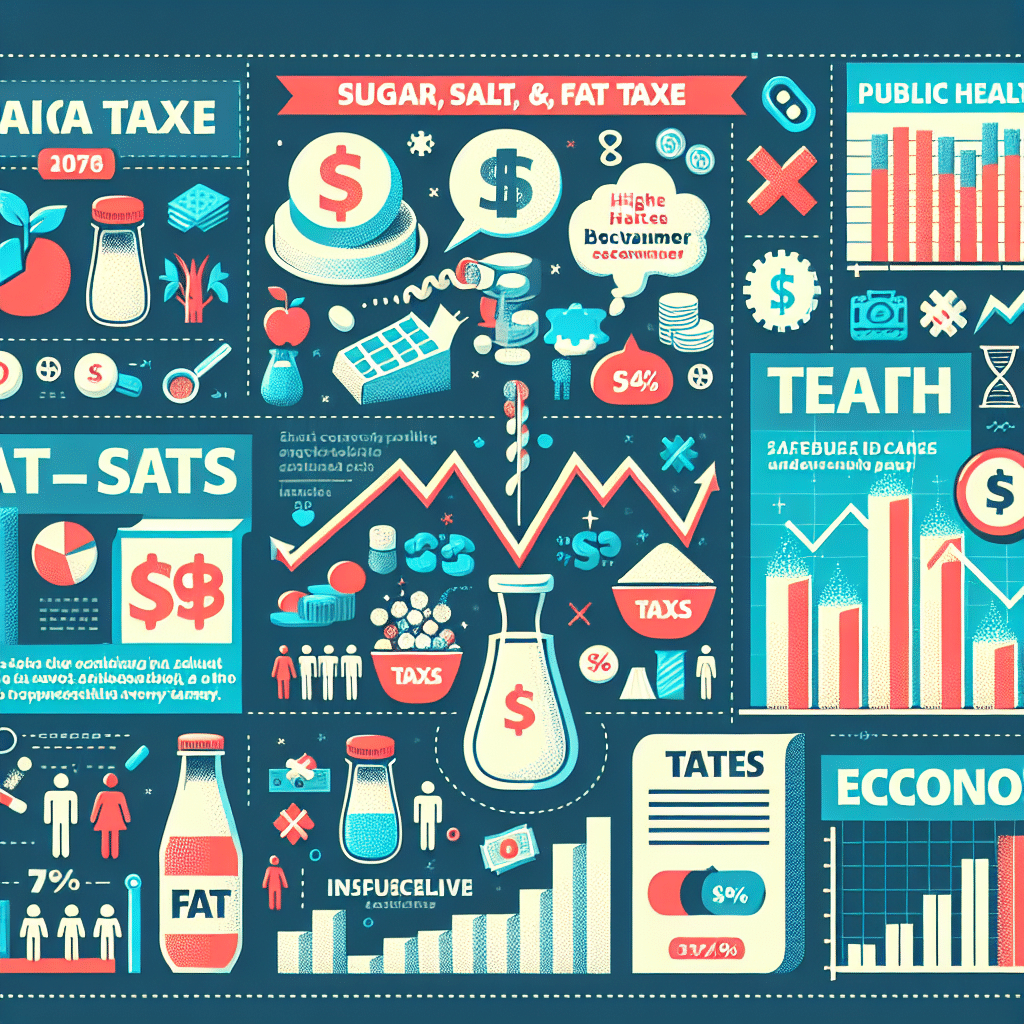
The global rise in non-communicable diseases such as obesity, diabetes, and heart disease has prompted governments worldwide to implement various strategies to encourage healthier eating habits among their populations. One such strategy is the imposition of taxes on foods and beverages high in sugar, salt, and fat. These taxes aim to reduce consumption of unhealthy products, improve public health, and generate revenue for health-related initiatives. This article delves into the effects of these taxes, examining their impact on consumer behavior, health outcomes, and economic factors.
Understanding the Rationale Behind Food Taxes
Before exploring the effects of sugar, salt, and fat taxes, it is essential to understand why these measures are considered. The primary reasons for implementing such taxes include:
- Discouraging the consumption of unhealthy food and beverage products.
- Reducing the prevalence of diet-related diseases.
- Generating revenue that can be allocated to public health programs.
- Encouraging manufacturers to reformulate products to be healthier.
Effects on Consumer Behavior
One of the immediate effects of imposing taxes on unhealthy food items is a change in consumer behavior. Studies have shown that price increases can lead to a decrease in the purchase and consumption of taxed products. For example:
- In Mexico, a tax on sugary drinks led to a significant reduction in sales of these beverages.
- Similar results were observed in Berkeley, California, where a soda tax was associated with a drop in sugary drink consumption.
However, the effectiveness of these taxes in changing long-term behavior remains a subject of ongoing research and debate.
Impact on Health Outcomes
The ultimate goal of sugar, salt, and fat taxes is to improve public health by reducing the incidence of diet-related diseases. While it is challenging to directly link these taxes to health outcomes due to the multifactorial nature of diseases, some studies suggest potential benefits:
- Modeling studies predict that sugar taxes could lead to lower rates of obesity and diabetes over time.
- Reduced consumption of high-salt foods may contribute to lower blood pressure and a decreased risk of cardiovascular diseases.
Nevertheless, the full health effects may only become apparent after several years or even decades.
Economic Considerations
Beyond health, sugar, salt, and fat taxes also have economic implications:
- Revenue generated from these taxes can be substantial, providing funds for health promotion and disease prevention programs.
- There may be negative economic impacts on industries producing taxed products, potentially leading to job losses or decreased profits.
- However, these taxes can also stimulate innovation as companies reformulate products to avoid the tax.
It is crucial to balance the potential economic drawbacks with the long-term savings in healthcare costs due to improved public health.
Case Studies and Examples
Several countries and cities have implemented sugar, salt, and fat taxes with varying results:
- Mexico: The country’s tax on sugary drinks has been associated with a sustained decrease in sales and consumption of these beverages.
- Hungary: Hungary’s tax on foods high in sugar, salt, and fat has led to product reformulation and a reported decrease in consumption of unhealthy foods.
- United Kingdom: The UK’s Soft Drinks Industry Levy resulted in significant reformulation of drinks to reduce sugar content, even before the tax was implemented.
These examples demonstrate the potential for food taxes to influence both industry practices and consumer choices.
Challenges and Criticisms
Despite the potential benefits, sugar, salt, and fat taxes face several challenges and criticisms:
- Concerns about the regressive nature of these taxes, as they may disproportionately affect lower-income populations.
- Questions about the effectiveness of taxes in isolation, without comprehensive public health strategies.
- Resistance from the food and beverage industry and concerns about potential job losses.
Addressing these challenges requires careful policy design and complementary measures to ensure fairness and effectiveness.
Conclusion: Balancing Health and Economic Interests
The effects of sugar, salt, and fat taxes are multifaceted, influencing consumer behavior, health outcomes, and economic factors. While these taxes can lead to positive changes, such as reduced consumption of unhealthy products and potential health benefits, they also present challenges that need to be carefully managed. Policymakers must consider the broader context and implement supporting initiatives to maximize the positive impacts of these taxes.
Enhance Your Health with ETChem’s Protein Products
While reducing the intake of sugar, salt, and fat is crucial for maintaining good health, it’s equally important to ensure adequate protein consumption. ETChem offers a range of high-quality protein products that can help support a balanced diet. Their protein offerings, including marine, fish, bovine, chicken, and various types of collagen, are perfect for those looking to improve their health and wellness. With ETChem’s protein products, you can make a positive change in your diet and contribute to your overall well-being.
About ETChem:
ETChem, a reputable Chinese Collagen factory manufacturer and supplier, is renowned for producing, stocking, exporting, and delivering the highest quality collagens. They include marine collagen, fish collagen, bovine collagen, chicken collagen, type I collagen, type II collagen and type III collagen etc. Their offerings, characterized by a neutral taste, instant solubility attributes, cater to a diverse range of industries. They serve nutraceutical, pharmaceutical, cosmeceutical, veterinary, as well as food and beverage finished product distributors, traders, and manufacturers across Europe, USA, Canada, Australia, Thailand, Japan, Korea, Brazil, and Chile, among others.
ETChem specialization includes exporting and delivering tailor-made collagen powder and finished collagen nutritional supplements. Their extensive product range covers sectors like Food and Beverage, Sports Nutrition, Weight Management, Dietary Supplements, Health and Wellness Products, ensuring comprehensive solutions to meet all your protein needs.
As a trusted company by leading global food and beverage brands and Fortune 500 companies, ETChem reinforces China’s reputation in the global arena. For more information or to sample their products, please contact them and email karen(at)et-chem.com today.